


Views: 0 Author: Site Editor Publish Time: 2026-10-15 Origin: Site


Working on telecom, broadcast, and utility towers demands immense physical endurance. You face extreme weather, dizzying heights, and unpredictable winds every single day. Because human error remains inevitable in such harsh conditions, reliable engineering controls are absolutely non-negotiable. Yet, an uncomfortable reality persists across the climbing industry. Field reports reveal climbers frequently bypass standard Safety Equipment because bulky gear heavily restricts their movement. When gear slows them down, workers sometimes prioritize speed over their own survival. This comprehensive guide explores how a purpose-built setup directly solves this very problem. We will show you how modern equipment bridges the critical gap between strict compliance and daily operational efficiency. You will learn how to select architectural solutions prioritizing actual climber adoption while keeping teams inherently safe. Proper implementation eliminates excuses for bypassing safety protocols on the job site.
Vertical fall arrest systems are heavily regulated; evaluating them requires strict alignment with current OSHA and ANSI Z359.16 standards.
The choice between flexible cable and rigid rail systems depends on tower structure, environmental exposure, and climb frequency.
Climber ergonomics dictate safety; systems that cause fatigue or require manual manipulation are more likely to be dangerously bypassed.
Procurement must account for long-term total cost of ownership, including annual inspection requirements and hardware durability.
A dedicated Vertical Fall Arrest System functions very differently than basic twin-leg lanyards. Standard positioning lanyards require constant manual adjustment. You must unhook and reattach them continuously as you ascend the peg steps. This repetitive action burns massive amounts of energy over a tall climb. Conversely, guided ladder safety systems provide a continuous, uninterrupted connection point. The shuttle mechanism travels smoothly along a fixed line or solid rail. This allows climbers to use both hands for climbing freely.
Safety standards form your non-negotiable operational baseline. Regulatory bodies mandate strict performance criteria to protect human life. You must align your equipment choices directly matching OSHA 1910.29 and OSHA 1926.502 regulations. Additionally, ANSI Z359.16 provides rigorous dynamic testing requirements for ladder safety systems. Failing to meet these standards carries severe legal liabilities for site owners. More importantly, ignoring compliance exposes your crew to fatal operational risks. Regulators actively audit sites for these exact certifications.
Field conditions often create a dangerous "unhooking" dilemma. Climbers routinely face awkward transitions around antennas, microwave dishes, or structural brackets. These obstacles tempt workers to momentarily disconnect their lanyards to move faster. A continuous-attachment design engineers this fatal risk completely out of the equation. Hands-free climbing mechanisms allow workers to ascend fluidly past transition zones. They never need to detach from the primary safety line. Eliminating the manual detachment phase drastically reduces catastrophic workplace accidents.
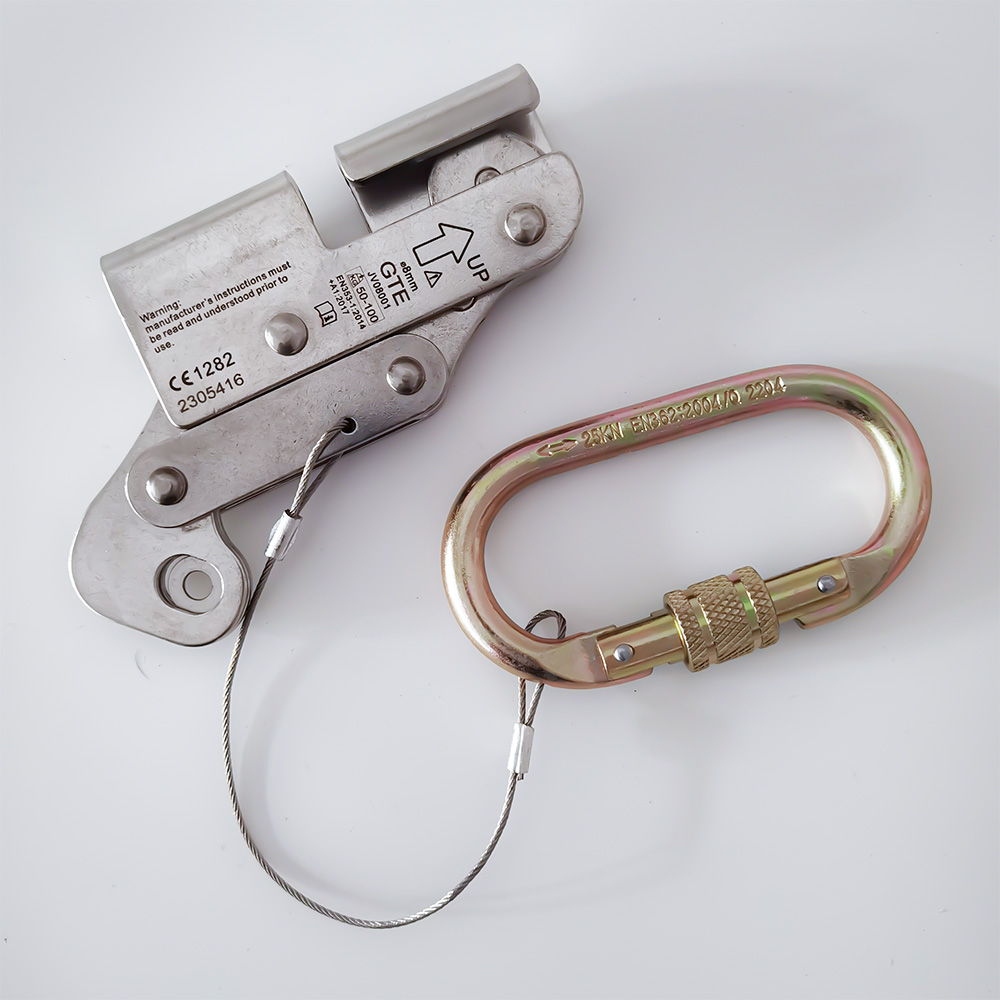
Selecting the correct architectural setup requires understanding specific structural demands. We generally divide these primary systems into two distinct categories. You must weigh the structural constraints of your tower against climber frequency.
Flexible cable setups utilize a highly tensioned steel wire rope. A specialized sleeve glides along this continuous cable during the ascension.
Best Use Case: Retrofitting existing towers suits this design perfectly. It works exceptionally well for tall structures featuring specific contouring. Many teams choose it for lower-traffic assets needing essential compliance updates.
Pros: You can install these easily on legacy structures without heavy modification. They generally carry a lower initial material cost. The flexible nature accommodates natural tower sway smoothly during high winds.
Cons: Crews must maintain strict cable tensioning regularly. Slack cables fail to arrest drops quickly. Cable guides inevitably wear down over time. Furthermore, aeolian vibration caused by constant wind induces long-term metal fatigue.
Rigid rail designs anchor a solid metal track directly to the climbing structure. The shuttle mechanism rolls securely inside or along this track profile.
Best Use Case: High-traffic towers benefit immensely from rigid rails. They excel on new builds and structures facing extreme weather environments. Facilities requiring multiple simultaneous climbers often mandate this robust setup.
Pros: The trolley glide feels exceptionally smooth under load. This drastically reduces climber fatigue during long vertical journeys. The rigid framework remains highly durable. It resists wind degradation far better than tensioned wire.
Cons: You will face a significantly higher initial capital expenditure. The rail imposes a heavier physical footprint onto the tower legs. Installers must ensure incredibly precise structural alignment during the initial mounting process.
System Comparison Chart
System Type | Ideal Application | Key Advantage | Primary Limitation |
|---|---|---|---|
Flexible Cable | Legacy retrofits, lower traffic assets | Accommodates natural tower sway effortlessly | Highly vulnerable to wind-induced vibration |
Rigid Rail | High traffic, multiple simultaneous climbers | Exceptionally smooth glide reduces fatigue | Heavier structural footprint increases tower drag |
Evaluating hardware requires a deep dive into practical usability. You must also analyze engineering integrity thoroughly. Look beyond basic compliance to ensure actual field success.
Climber Ergonomics and Usability: Evaluate the internal mechanics of the shuttle or trolley. It must glide seamlessly up the vertical track. If the device locks up under normal climbing speeds, workers get frustrated. Friction leads directly to dangerous shortcuts. Frustrated climbers are far more likely to bypass the mechanism entirely. Ensure the mechanism supports a natural climbing rhythm.
Material Durability and Environmental Rating: Assess the specific alloy composition thoroughly before purchasing. For instance, 316 stainless steel outperforms standard galvanized options in harsh environments. Frame this choice around your expected hardware lifespan. High-salinity coastal areas demand superior corrosion resistance. High-humidity zones and icy environments also destroy cheaper metals quickly. Durability directly influences long-term reliability.
Structural Compatibility and Load Ratings: Determine how the new addition impacts overall tower wind load calculations. Rigid systems add significant weight and aerodynamic drag. You must verify structural integrity before proceeding. Discuss the maximum user capacity explicitly with the manufacturer. Some setups support two to four workers simultaneously. Others only safely support one climber at a time.
Third-Party Testing and Proven Origin: Avoid unverified white-label manufacturing entirely. Always demand publicly available testing certificates. Ensure a recognized third-party laboratory conducted these rigorous evaluations. You need documented proof regarding drop-test performance. The equipment must survive dynamic drops under maximum weight load conditions. Unverified gear puts human lives at unacceptable risk.
Even the best equipment fails if teams refuse to adopt it. Successful integration requires addressing several human factors. You must also navigate critical structural preparations carefully.
A brand-new Fall Arrest System remains completely useless without proper instruction. Climbing crews must receive specific training on the proprietary shuttle. Different manufacturers use unique internal locking mechanisms. Some activate via speed, while others activate via orientation. Detail the absolute necessity of vendor-supplied training protocols. Your workers must understand exactly how the sleeve reacts during a sudden drop. They need hands-on practice before tackling a 300-foot tower.
Never buy a system without consulting a structural engineer first. They must verify the physical anchor points on your tower. The overall load capacity must safely accommodate the combined weight. This includes the rail, the brackets, and multiple climbers. Retrofitting older telecom towers often reveals hidden structural weaknesses. You might require additional steel reinforcement before mounting the new safety gear.
Understand the ongoing maintenance commitments required for compliance. You must distinguish between the daily pre-climb checklist and formal reviews. Climbers should visually inspect the shuttle, rail, and tensioners before every single ascent. They must check for debris, rust, or missing fasteners. Additionally, regulations mandate an annual inspection by a certified competent person. This dual cadence ensures the mechanism remains flawless year after year. Regular maintenance prevents catastrophic mechanical failures mid-climb.
Veteran climbers often push back heavily against new safety protocols. They grow accustomed to old methods and naturally resist change. Secure their buy-in by highlighting the direct ergonomic improvements. Run a structured trial period so they can experience it. Let them feel the hands-free glide themselves. When they realize the new gear actively saves their energy, adoption rates soar. Easing physical fatigue is the ultimate selling point for field crews. To understand our core philosophy on crew safety, feel free to read about us and our industry values.
Procuring life-saving equipment requires a structured, evidence-based approach. Follow these actionable steps to finalize your selection confidently.
Align your team on what matters most for each specific site. You might prioritize the lowest maintenance downtime possible. Alternatively, achieving the highest user compliance rate could be your primary goal. Some urgent projects simply demand the fastest installation turnaround. Defining these metrics early helps you filter out incompatible vendors quickly. Clear goals streamline the entire purchasing process.
Create a mandatory checklist for all potential vendors to fulfill. Demand comprehensive warranty documentation upfront before signing anything. Request official ANSI Z359.16 test reports directly from the certified lab. Ask for detailed material spec sheets proving the exact alloy composition. Refuse to proceed if a supplier hesitates to provide this critical data. Transparency is non-negotiable when dealing with life-saving equipment.
We strongly recommend installing the shortlisted option on a training structure first. If you lack a training facility, choose a single high-use tower. Let your most experienced crew members test the gear extensively. Gather their honest feedback regarding friction, weight, and usability. Validate climber acceptance and mechanical reliability completely. Do this before committing to a massive fleet-wide rollout across multiple sites.
Investing in high-quality fall protection constitutes a direct investment in human life. It serves as your strongest defense regarding risk mitigation and strict regulatory compliance. The right equipment ultimately pays off by maintaining a perfectly safe environment. It actively prevents catastrophic accidents and helps you avoid crippling safety fines. Furthermore, ergonomic designs keep your crews highly efficient and significantly less fatigued.
Properly engineered solutions eliminate the friction between safety and productivity. You can protect your workers while actually increasing their daily output. Upgrading outdated methods signals your fundamental commitment to operational excellence.
Do not wait for a tragic close call to upgrade your safety infrastructure. Schedule a comprehensive site assessment today to evaluate your current setup. Download our technical compliance matrix to compare top-tier solutions side-by-side. Speak directly with an engineered fall protection specialist to secure your crew's future on the tower.
A: No. The industry strictly enforces a 100% tie-off rule. Workers must remain continuously connected to a secure anchor point at all times. Modern continuous-attachment setups solve traditional detachment dilemmas entirely. They allow hands-free movement past obstacles, eliminating any task-based need to unhook. Bypassing the mechanism intentionally violates fundamental safety regulations and invites fatal consequences.
A: Inspection requires two distinct cycles. First, the user must perform a daily visual check of the shuttle, rail, or cable before every single climb. They look for obvious wear, debris, or damage. Second, OSHA and ANSI standards mandate a formal, documented inspection at least once annually. A designated competent person must conduct this rigorous yearly evaluation.
A: Yes, but you cannot proceed blindly. Retrofitting an older structure requires a comprehensive structural engineering review beforehand. An engineer must verify that the legacy anchor points possess sufficient strength. They will calculate if the tower can handle the additional weight and wind drag imposed by modern rails or tensioned cables.
A: These terms define entirely different safety concepts. Restraint equipment acts like a leash. It physically prevents a worker from ever reaching the unprotected edge or fall hazard. Conversely, an arrest mechanism engages only after a fall has already begun. It stops the falling worker safely mid-air, absorbing the kinetic energy to prevent ground impact.


