


Views: 0 Author: Site Editor Publish Time: 2026-08-05 Origin: Site


An Angular Tower is a type of lattice tower constructed primarily from angular steel components, typically L-shaped steel sections. These components are bolted together to form a strong, lightweight, and highly stable structure that is widely used in various infrastructure applications. Due to their modular design and cost-effective fabrication process, angular towers have become a preferred choice for industries that require robust and scalable vertical structures.
Angular towers are most commonly found in power transmission lines and telecommunication networks, where structural integrity, height, and reliability are critical. In power systems, they are used to support high-voltage overhead lines across vast distances. In the telecom sector, they serve as the foundation for antennas, microwave dishes, and cellular base stations, enabling uninterrupted connectivity in urban and remote areas alike.
With their high load-bearing capacity, corrosion resistance, and adaptability to different terrains, angular towers play a vital role in modern infrastructure development. Their efficient material usage and ease of assembly also make them ideal for both large-scale projects and rapid deployment in challenging environments.
Angular towers are primarily constructed using angle steel sections, also known as L-shaped steel components, which are connected through bolted joints. This design approach offers several key benefits, including ease of assembly, flexibility in design, and strong structural integrity. Unlike welded joints, bolted connections allow for quicker installation and straightforward maintenance or replacement of individual components.
One of the standout features of angular towers is their modular construction. The use of standardized angle steel components enables manufacturers like Global Tower Engineering Co., Ltd. (GTE) to customize tower dimensions and load capacities according to specific project needs, while keeping production and transportation costs low. The modularity also allows for easier scalability, making angular towers suitable for both small-scale telecom installations and large-scale power transmission networks.
Compared to other types of towers, such as tubular or monopole towers, angular towers tend to be lighter in weight while still maintaining excellent strength and stability. This reduced weight helps minimize foundation requirements and facilitates transportation to remote or difficult terrains.
Regarding materials, GTE typically uses high-quality structural steel grades that comply with international standards, such as Q235B and Q345B. These steel grades provide the necessary balance of strength, ductility, and corrosion resistance required to withstand harsh environmental conditions. Additionally, angular tower components are often treated with hot-dip galvanization to further enhance durability and extend service life, making them ideal for outdoor applications in diverse climates.In summary, the combination of angle steel sections, bolted joints, modular design, and premium steel materials makes angular towers a highly efficient and adaptable choice for power and telecom infrastructure projects worldwide.
One of the most significant advantages of angular towers is their easy fabrication and assembly process. The use of standardized angle steel sections and bolted joints allows for precise prefabrication in factories, minimizing onsite work. This modular approach not only speeds up installation but also reduces the complexity of construction, especially in remote or difficult-to-access locations. Quick assembly translates into shorter project timelines and less labor cost, making angular towers an attractive choice for infrastructure developers.
Angular towers are known for their cost-effectiveness throughout the project lifecycle. The lattice design uses material efficiently, reducing steel consumption without compromising structural integrity. Moreover, the modular steel components are relatively lightweight compared to solid structures like tubular towers, which lowers transportation expenses. The smaller shipment volumes and the ability to transport tower parts in compact bundles make logistics simpler and more affordable, even for projects in challenging terrains.
Despite their lightweight nature, angular towers offer high load-bearing capacity thanks to their geometric lattice framework. The arrangement of angular steel sections distributes stress evenly, allowing the towers to withstand heavy electrical conductors, multiple telecom antennas, and extreme weather forces such as strong winds and ice loads. This efficient use of materials ensures maximum strength while minimizing weight and cost, making angular towers a smart structural solution for both power transmission and telecommunication infrastructure.
Angular towers are extensively used to support high-voltage power transmission lines. Their robust lattice structure provides the necessary strength to hold heavy conductors and insulators across long distances. These towers ensure stable electricity transmission from power plants to substations and end-users, even in challenging environments such as mountainous or remote regions. Their adaptability to various heights and load requirements makes them ideal for both urban and rural power infrastructure projects.
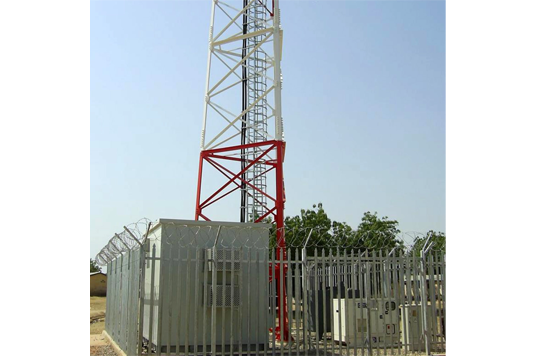
In the telecommunications industry, angular towers serve as essential platforms for mounting antennas, microwave dishes, and other communication equipment. Their structural integrity supports multiple telecom operators on a single tower, maximizing space and reducing infrastructure costs. By providing the height and stability necessary for optimal signal coverage, angular towers play a crucial role in expanding wireless network reach and enhancing communication reliability.
With the increasing integration of energy and communication systems, hybrid towers that combine power transmission and telecom functions are gaining popularity. Angular towers offer the flexibility to accommodate both electrical conductors and telecommunication antennas within a single structure. This dual-purpose design optimizes land use, reduces environmental impact, and lowers overall project costs, making angular towers a forward-looking solution for modern infrastructure demands.
Global Tower Engineering Co., Ltd. (GTE) ensures that all angular towers are designed and manufactured in strict compliance with internationally recognized standards such as IEC (International Electrotechnical Commission), ISO (International Organization for Standardization), and GB (Chinese National Standards). Adhering to these rigorous standards guarantees the structural integrity, safety, and reliability of towers used in both power transmission and telecom infrastructure worldwide.
To enhance durability and extend service life, GTE applies hot-dip galvanizing as a standard anti-corrosion treatment for its angular towers. This process involves immersing steel components in molten zinc, forming a protective layer that resists rust and environmental degradation. Hot-dip galvanizing ensures angular towers remain robust and maintain their performance even in harsh weather conditions and corrosive environments.
Recognizing that every infrastructure project has unique requirements, GTE offers customized angular tower solutions tailored to specific terrain conditions and load demands. Whether the site is mountainous, coastal, or urban, and whether the tower must support heavy conductors or multiple telecom antennas, GTE’s engineering team adapts the design, materials, and foundation to deliver optimal performance and cost efficiency.
Angular towers are versatile, reliable, and essential components in modern power transmission and telecommunications infrastructure. Their lightweight yet strong lattice structure, combined with ease of fabrication, cost efficiency, and adaptability, makes them the preferred choice for a wide range of infrastructure projects.
Global Tower Engineering Co., Ltd. (GTE) stands out by offering tailored engineering and manufacturing solutions that meet diverse client needs across different environments and applications. With high-quality materials, strict adherence to international standards, and a focus on customization, GTE’s angular towers provide long-lasting, dependable support for critical infrastructure worldwide.


